
WELCOME BONUS 300%
UP TO €2000 + 100
FREE SPINS
UP TO €2000 + 100
FREE SPINS
Home → Blackjack
Blackjack at 21 Casino: Variants, Rules and Payouts
Clicked Too Late: Hand Is Automatically Held
Lightning Blackjack from Evolution allows wagers between 1 and 2,500 EUR with multipliers up to 25x on winning hands. The game interface enforces strict timing for player actions, ensuring that any delayed input results in an automatic hold decision. This rule applies equally to all participants at the table regardless of their connection speed or reaction time. Players must anticipate the dealer's sequence to avoid unintended passive outcomes during high-stakes rounds.
Infinite Blackjack offers a wider betting range from 1 to 5,000 EUR alongside four distinct side bets like Any Pair and Bust It. The software automatically holds hands when the interaction window closes, preventing further hits or stands after the deadline. This mechanism protects the integrity of the live stream by synchronizing all player decisions with the dealer's current phase. The RTP remains stable at 99.47% despite these rigid operational constraints on individual gameplay choices.
Blackjack Party creates a lively atmosphere with two moderators while maintaining standard table limits of 1.00 to 1,000 EUR per hand. The system locks in decisions once the timer expires, forcing a hold state that mirrors the dealer's visible card distribution. Participants cannot modify their stance after this point, which eliminates ambiguity in payout calculations for both winners and losers. The house edge stays consistent because the automated enforcement removes human error from the final hand resolution process.
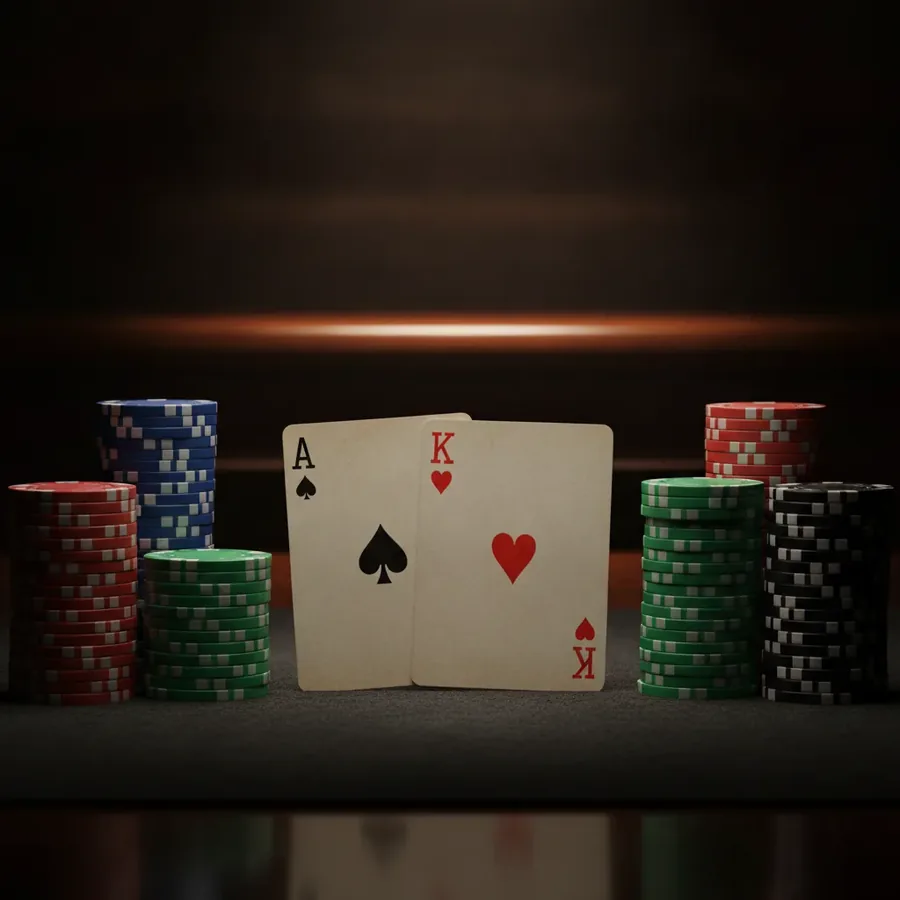
Card Counting at Shuffle Master Table: why it fails
Shuffle Master tables typically utilize six to eight decks, significantly increasing the complexity required for effective card counting strategies. The continuous shuffling mechanisms prevent players from tracking the remaining composition of the shoe throughout the entire session. Even if a player maintains a true count above plus three, the frequent reshuffling resets the advantage before it becomes profitable. This structural design ensures that the theoretical house edge remains constant regardless of the specific cards dealt in previous rounds.
Blackjack Insurance bets offer a 2:1 payout but carry a substantial house edge of 7.47% when using six to eight decks. Card counters are advised to reject this side bet unless the true count reaches positive three or higher to mitigate losses. The separate nature of this wager means it does not contribute positively to the overall return-to-player rate of the main game. Relying on insurance as a primary strategy against the shuffle master setup ultimately reduces long-term profitability for the participant.
The base game RTP for standard eight-deck blackjack is approximately 99.85%, but card counting provides negligible gains against automatic shufflers. A single-deck variant might offer a lower house edge of 0.15%, yet it is rarely found on tables equipped with Shuffle Master devices. The continuous mixing process effectively neutralizes any predictive advantage gained from observing previously dealt cards during the active playing period. Consequently, skilled players find no sustainable method to overcome the built-in mathematical disadvantage imposed by the equipment used.
Four hours of play with 300 EUR bankroll
Starting with a 300 EUR bankroll on Infinite Blackjack involves making bets within the 1 to 5,000 EUR limit while targeting the 99.47% RTP. Assuming an average bet size of 10 EUR per hand and a pace of sixty hands per hour, the total turnover over four hours reaches 2,400 EUR. The expected loss based on the 0.53% house edge amounts to approximately 12.72 EUR, leaving a theoretical balance near 287.28 EUR after the session concludes. This calculation assumes perfect basic strategy adherence without deviation due to emotional pressure or fatigue during extended play.
Playing Lightning Blackjack with the same 300 EUR funds introduces volatile multipliers up to 25x, which can drastically alter the final outcome within the four-hour window. The game accepts stakes from 1 to 2,500 EUR and maintains an RTP of 99.56%, slightly better than the infinite variant despite the bonus features. Over 240 hands, the base expectation yields a similar loss profile, but lightning strikes could potentially boost the bankroll significantly beyond the initial deposit amount. These random events create a high-variance experience that diverges sharply from the steady erosion seen in standard table games.
Blackjack Party operates with moderator-led entertainment and stakes ranging from 1.00 to 1,000 EUR, affecting the psychological aspect of the four-hour duration. The standard rules apply, meaning the house edge remains close to typical values unless specific promotional modifiers are active during the broadcast. With a 300 EUR starting point, the player faces the same statistical probability of loss as other variants, adjusted only by the unique social dynamics introduced by the hosts. The final result depends heavily on variance rather than skill, as the underlying mathematics remain unchanged across all Evolution blackjack offerings.
Register Late Surrender correctly in three steps
Step one involves identifying tables that explicitly offer Late Surrender, a rule that improves the RTP by approximately 0.08 percentage points compared to games without it. This modifier allows players to forfeit half their bet after the dealer checks for blackjack, reducing the overall house edge effectively. Without this specific rule availability, the player loses the opportunity to minimize losses on weak hands against strong dealer upcards. Checking the game rules before placing the first chip is essential to confirm this advantageous condition exists at the selected table.
Step two requires executing the surrender action immediately after the dealer reveals their upcard but before taking any additional hits or stands. The player receives a refund of fifty percent of the original wager, which directly impacts the long-term expectancy of the session. Early surrender is far more valuable, potentially reducing the house edge by up to 0.6 percentage points, but it is extremely rare in online environments. Mistiming this move by hitting first invalidates the option, forcing the player to continue with a statistically disadvantaged hand until resolution.
Step three entails understanding that Late Surrender applies only after the dealer verifies they do not have an immediate blackjack, protecting the player from unnecessary losses. This timing distinction is crucial because early surrender would allow forfeiture even if the dealer holds a natural twenty-one, which is not permitted in late versions. The rule modifies the base RTP of a six-deck game, contributing to a more favorable environment for disciplined strategists who track every percentage point. Utilizing this option consistently can preserve capital during unfavorable streaks without altering the fundamental mechanics of the main game.
What a Natural Blackjack Practically Pays Out
A natural blackjack pays out at 3:2 odds, meaning a 100 EUR bet returns 150 EUR in profit plus the original stake upon success. This standard payout structure is critical for maintaining the optimal RTP of 99.85% in single-deck games with classic rules and minimal house advantage. Tables offering 6:5 payouts instead reduce the return significantly, turning a 100 EUR win into only 120 EUR and increasing the house edge to 1.85%. Players must verify the payout ratio before sitting down to avoid unintentionally accepting inferior terms that degrade long-term profitability substantially.
Infinite Blackjack from Evolution adheres to the standard 3:2 payout for natural blackjacks while allowing bets up to 5,000 EUR for high-roller participation. The game maintains an RTP of 99.47%, ensuring that successful naturals are compensated according to industry standards rather than reduced ratios. Side bets like Hot 3 or Bust It operate independently, offering different payout structures that do not interfere with the main hand settlement. The consistency of the 3:2 rule across unlimited seats provides a reliable framework for calculating expected returns over multiple sessions.
Lightning Blackjack also respects the 3:2 payout for standard naturals before applying any potential lightning multipliers to the final winnings. With an RTP of 99.56%, the base game compensates players fairly for achieving twenty-one with their initial two cards. Multipliers up to 25x can dramatically increase the value of these wins, but they function as additions to the base 3:2 calculation rather than replacements. Understanding this layered payout system helps players assess the true value of a natural hand in the context of variable bonus features.
Blackjack variants at a glance
| Variant | Payout | House edge | Rule | Bet range |
|---|---|---|---|---|
| Blackjack Split / Double / H17 – Regel-Effekte | n.a. (Regel-Modifikatoren) | H17 +0.22 Prozentpunkte; RSA −0.08 Prozentpunkte; DAS −0.14 Prozentpunkte | Dealer Hits Soft 17 verschlechtert RTP um 0.22 Prozentpunkte; Resplit Aces verbessert um 0.08 Prozentpunkte; Double After Split verbessert um ca. 0.14 Prozentpunkte; 6 Decks statt 8 – ca. 0.02 Prozentpunkte. | Double – Einsatz ×2 mit einer Karte; Split – bis 4 Hände; Ass-Split meist mit einer Karte. |
| Blackjack Liberal Vegas Strip (liberale Regeln, 3:2) | 99.72% | 0.28% | Günstigste Regelkombination: S17 + DAS + Resplit + Late Surrender. Standardabweichung 1,15 | Blackjack 3:2, Gewinn 1:1 |
| Blackjack Surrender (Late Surrender) – Regel-Effekt | n.a. (Regel-Modifikator) | −0.08 Prozentpunkte | Spieler gibt Hand nach Dealer-Blackjack-Prüfung auf, verliert die Hälfte des Einsatzes. Verbessert RTP um ca. 0.08 Prozentpunkte. Early Surrender ist wesentlich wertvoller (bis −0.6 Prozentpunkte), aber extrem selten. | Rückzahlung 50% des Einsatzes |
| Blackjack 6 Decks, S17, DAS, DOA, Auszahlung 3:2, Basisstrategie | 99.54% | 0.46% | Dealer steht auf Soft 17; Verdopplung auf jeder Zweierkarte; Verdopplung nach Split erlaubt; keine Aufgabe. Basisstrategie ist für diesen Wert zwingend | Blackjack 3:2, normaler Gewinn 1:1, Insurance 2:1 |
| Blackjack Auszahlung 6:5 statt 3:2 (6 Decks) | 98.15% | 1.85% | Ersatz von 3:2 durch 6:5 fügt exakt +1.39 Prozentpunkte zum Vorteil des Casinos hinzu – stärker als jede andere Regeländerung. Bei $10 Einsatz zahlt Blackjack $12 statt $15. | Blackjack 6:5, Gewinn 1:1 |
| Blackjack Insurance / Versicherung (6–8 Decks) | 92.53% | 7.47% | Separate Nebenwette bis 50% der Hauptwette, wenn der Dealer ein Ass hat. Basisstrategie schreibt IMMER Ablehnung vor (außer Karten zählen bei True Count ≥ +3). Bei einem Deck Vorteil ≈ 5.88% | Insurance 2:1 |
Seat change at the Live Table in 20 seconds
Lightning Blackjack by Evolution permits a stake range of 1 to 2,500 EUR for unlimited players. This table offers a theoretical return of 99.56% with multipliers up to 25x on winning hands. That RTP is slightly higher than Infinite Blackjack's 99.47%. A seat change allows immediate re-entry without waiting.
Infinite Blackjack accommodates unlimited seats at a table with stakes from 1 to 5,000 EUR. The game features four side bets including Any Pair and Bust It. Its house edge remains low due to liberal rules like S17. Players can switch positions rapidly within this flexible environment.
Blackjack Party provides a different atmosphere with two moderators hosting the action. Stakes range from 1.00 to 1,000 EUR per hand. This specific variant lacks the lightning multipliers found elsewhere. Switching tables requires no deposit delay.
Six Card Charlie Pays Immediately with Six Cards
Standard Blackjack rules often reward a natural hand with a payout ratio of 3:2. This pays 150 EUR for every 100 EUR wagered correctly. A six-card win bypasses this standard calculation entirely. The dealer pays out immediately upon achieving the sixth card.
Insurance bets pay 2:1 if the dealer has an Ace showing. This side bet carries a high house edge of 7.47% for 6-8 decks. Players should generally reject insurance unless counting cards. The true count must reach +3 to justify the risk.
Late Surrender improves the return by reducing the house advantage by 0.08 percentage points. The player forfeits half the bet after checking for dealer blackjack. This rule is rare but valuable. Early surrender offers greater benefit but is extremely scarce.
Side Bet Every Round: Budget Lasts 30 Rounds
The welcome bonus includes 300% up to 2,000 EUR plus 100 free spins. Table games contribute only 10% toward wagering requirements. Slots contribute 100% to the turnover target. Side bets do not accelerate the clearance process effectively.
Blackjack Insurance costs up to 50% of the main wager. This separate bet loses value over time due to its 7.47% house edge. A 100 EUR base bet allows a 50 EUR insurance wager. Long-term usage drains the bankroll faster than standard play.
The house edge for standard Blackjack 6 Decks is 0.46%. This assumes optimal strategy and 3:2 payouts. Adding side bets increases the overall cost per round. A budget lasting 30 rounds depletes faster with frequent insurance wagers.
Unlimited seats via a split dealer hand
Infinite Blackjack allows unlimited players to join any active table. The dealer hand splits visually to accommodate multiple participants. Stakes range from 1 to 5,000 EUR per seat. This structure supports high-volume betting strategies.
Blackjack Liberal Vegas Strip offers the lowest house edge at 0.28%. Rules include Soft 17, DAS, Resplit, and Late Surrender. The standard deviation stands at 1.15 for this configuration. Unlimited seats increase variance exposure significantly.
Splitting Aces usually restricts players to receiving one additional card. This limitation affects potential profit from doubling down. DAS improves the RTP by approximately 0.14 percentage points. Resplitting Aces enhances returns by 0.08 percentage points.
Even Money only possible with Dealer Ace
Even money converts a 3:2 Blackjack payout into a guaranteed 1:1 win. This option activates only when the dealer shows an Ace. It eliminates the risk of a dealer blackjack push. The mathematical expectation remains neutral compared to declining.
Insurance pays 2:1 on a wager equal to half the original bet. Taking even money is mathematically identical to buying insurance. Both actions lock in the current profit level. Declining both risks losing the entire hand value.
Blackjack with 6:5 payouts reduces returns to 120 EUR on a 100 EUR bet. This rule adds 1.39 percentage points to the house edge. Even money does not mitigate this structural disadvantage. Players should seek 3:2 tables exclusively.
How many decks are in the shoe?
The standard Blackjack Auszahlung 6:5 variant utilizes exactly six decks in the shoe, which significantly impacts the house edge compared to single-deck games. This multi-deck configuration contributes to a house advantage of 1.85 percent, whereas a single deck with classic rules offers a much lower 0.15 percent disadvantage for the player. Consequently, the increased number of cards reduces the frequency of favorable player outcomes and alters the statistical probability of drawing specific hand combinations during gameplay.
Switching from a traditional 3:2 payout to the prevalent 6:5 structure adds exactly 1.39 percentage points to the casino's mathematical advantage over the long term. This rule change is more detrimental to player returns than any other single modification found in modern live dealer tables, effectively eroding potential profits on every winning blackjack hand. Players must recognize that this structural adjustment permanently shifts the expected value away from them regardless of their strategic decisions or betting patterns.
In contrast, optimal conditions such as those found in Liberal Vegas Strip games allow for better odds despite using multiple decks due to superior rule sets like soft seventeen standing. These favorable environments maintain a house edge of just 0.28 percent by combining liberal doubling and splitting rules with the standard 3:2 blackjack payout structure. Understanding these differences helps players identify tables that offer fairer mathematical opportunities rather than accepting the default unfavorable terms presented by most operators.
Double Down vs Simple Hit on 11
Standard Blackjack strategy mandates doubling down when holding an eleven against any dealer upcard, except for a ten or ace where hitting might be considered safer. This aggressive move allows the player to double their initial wager in exchange for receiving exactly one additional card, maximizing profit potential when the probability of making twenty is highest. The decision directly influences the overall return rate and is critical for minimizing the house edge across thousands of hands played at the virtual table.
Comparing the expected value of doubling versus hitting reveals that doubling yields a higher average return per unit wagered when the dealer shows weak upcards like four through six. While hitting guarantees safety from busting, it forfeits the opportunity to increase the stake when the next card is statistically likely to produce a strong total near twenty. Professional analysts consistently recommend this action because it exploits the dealer's vulnerability to busting while capitalizing on the player's favorable starting position with the eleven.
The Infinite Blackjack table by Evolution supports unlimited seats and permits this fundamental strategy without restrictions, allowing players to execute optimal moves freely at each decision point. With a reported RTP of 99.47 percent, the game provides a transparent environment where correct doubling decisions significantly contribute to maintaining the high theoretical return percentage. Deviating from this basic principle results in lower long-term profitability and increases the effective cost of play for casual participants who lack strategic discipline.
Step-by-step Split at the Live Table
Splitting pairs allows players to separate two identical cards into two independent hands, each requiring an additional bet equal to the original wager placed on the initial deal. This maneuver is particularly valuable when holding pairs of eights or tens, as it transforms potentially losing totals into separate opportunities for creating stronger twenty-one combinations or avoiding bust scenarios. The process requires careful bankroll management since the total exposure doubles immediately upon execution of the split command within the live dealer interface.
Resplitting Aces is generally restricted to creating only one additional card per new hand, preventing infinite recursion that could otherwise exploit the low risk associated with starting hands of ten. However, some variations permit resplitting other pairs multiple times, up to four separate hands, which dramatically increases both the variance and the potential maximum win available from a single round. Players must verify specific table rules regarding resplitting limits before committing funds, as these constraints vary significantly between different providers and game modes offered online.
Lightning Blackjack by Evolution introduces unique multiplier mechanics that can apply to split hands, potentially amplifying winnings by factors up to twenty-five times on successful outcomes. This feature adds an exciting layer of volatility to the standard splitting strategy, rewarding players who correctly anticipate dealer outcomes while risking larger sums through the doubled bets. The presence of such side bets modifies the base house edge slightly but offers substantial upside potential for those willing to accept the heightened financial risk involved.
Insurance vs Even Money on Own Blackjack
Insurance is a side bet offered when the dealer exposes an ace, costing half the original wager and paying out at 2:1 if the dealer indeed holds a ten-value hole card. Statistical analysis demonstrates that this proposition carries a severe house edge of approximately 7.47 percent in six-deck games, making it highly unfavorable for non-card-counting players over time. Accepting insurance essentially guarantees a loss in expectation unless the player possesses advanced counting skills indicating a true count greater than or equal to three positive units.
Even money serves as a simplified insurance mechanism specifically available when the player themselves holds a natural blackjack against a dealer showing an ace, locking in a 1:1 payout immediately. This option eliminates uncertainty by securing the profit upfront rather than risking the entire hand for the traditional 3:2 bonus if the dealer also has blackjack. For the vast majority of recreational gamblers lacking card counting abilities, taking even money represents a mathematically sound decision that avoids the negative expectation trap of standard insurance bets.
The Lightning Blackjack variant by Evolution does not typically include traditional insurance wagers but instead relies on random multipliers applied to winning hands after the outcome is determined. This design choice removes the complex decision-making burden associated with evaluating insurance odds during fast-paced live dealer sessions, streamlining the gameplay experience for users seeking straightforward entertainment. Players focusing on main line bets benefit from clearer expectations regarding potential payouts without needing to calculate complex probabilities for auxiliary wagers during active rounds.
Ace Split: only one card per hand
When splitting aces, casinos universally restrict players to receiving exactly one additional card per newly created hand, preventing further actions like doubling or hitting beyond that single card. This strict limitation exists because aces naturally form strong starting values of ten or eleven, reducing the need for additional cards while simultaneously protecting the house from excessive player advantage. Consequently, achieving a perfect twenty-one on a split ace is impossible, forcing reliance on the dealer's subsequent bust or inferior final total to secure victory.
Compared to splitting other pairs like fours or fives where multiple hits are permitted, the ace split restriction significantly lowers the strategic flexibility and potential profit ceiling for skilled players. The inability to improve upon the initial ten or eleven means that success depends entirely on the dealer failing to beat the resulting hands, increasing reliance on dealer error or bust probability. This rule enforces a conservative approach to managing split ace hands, prioritizing preservation of capital over aggressive pursuit of maximum possible wins in difficult situations.
Infinite Blackjack by Evolution adheres to this standard industry practice, ensuring consistent rules across its unlimited seating arrangement while maintaining an RTP of 99.47 percent for informed players. The game's structure encourages disciplined adherence to basic strategy, particularly recognizing that split aces should never be doubled down or hit under any circumstances due to the explicit rule constraints. Understanding this limitation helps players avoid costly mistakes that arise from misapplying strategies used for other pair splits to the uniquely restricted ace splitting scenario.
Contact
Live - online chat
Banking









Providers












21 Casino 2026